
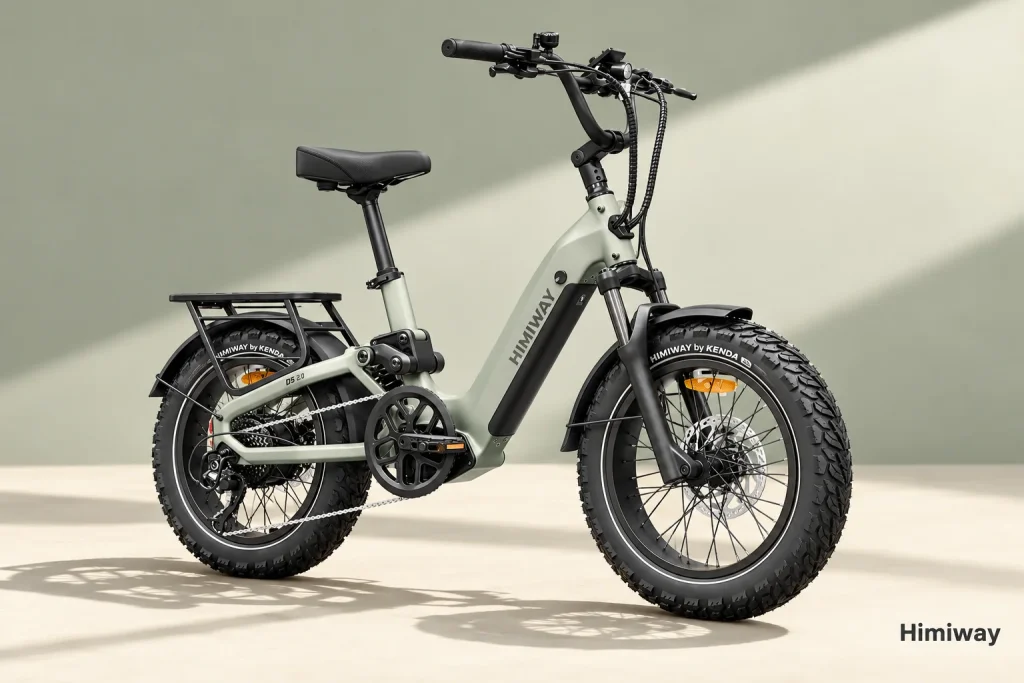
Fat-tire electric bikes have become increasingly popular among riders who want a comfortable, versatile, and practical way to travel across different surfaces. Whether commuting through city streets, exploring countryside roads, or enjoying weekend adventures, these electric bikes offer a combination of stability, traction, and motor-assisted riding. However, choosing the right model requires more than simply looking at tire width or motor power. Battery capacity, rider fit, braking performance, and overall design are equally important.
For shoppers exploring different options, YVY fat tire ebikes provide a dedicated collection of wide-tire electric bicycles to compare. Understanding the features that influence riding comfort and performance can help buyers make a more informed decision and select a model that suits their everyday transportation needs.
Why Are Fat Tire Electric Bikes Becoming So Popular?
Fat-tire electric bikes are designed with wider tires than traditional bicycles. These tires provide a larger contact area with the ground, which can improve stability and traction in certain riding conditions. Depending on the tire design, pressure, and terrain, they may also help absorb some road vibrations and create a more comfortable riding experience.
One major advantage is versatility. Traditional bicycles are often designed for specific surfaces, while fat-tire models can be suitable for a wider range of riding environments. Riders may use them on paved roads, gravel paths, compact dirt trails, and other moderately challenging surfaces.
Electric assistance makes these bicycles even more practical. A motor helps riders maintain momentum, manage inclines, and cover longer distances with less physical effort. This combination makes fat-tire electric bikes appealing to commuters, recreational cyclists, and people looking for an alternative to conventional transportation.
However, not every model offers the same riding experience. Tire dimensions, motor configuration, battery specifications, suspension, and braking systems can vary significantly between products.
Understanding Tire Size and Its Impact on Riding Comfort
Tire size is one of the first specifications buyers should examine when comparing wide-tire electric bicycles.
Fat tires generally provide increased ground contact compared with standard bicycle tires. This can contribute to improved traction and stability, particularly when riding on loose or uneven surfaces.
Before choosing a model, consider the following factors:
Tire width: Wider tires can offer additional cushioning and a stable riding feel. However, they may also increase rolling resistance and overall bicycle weight.
Tire diameter: Wheel diameter influences how a bicycle handles obstacles and responds to different road conditions. Buyers should consider the relationship between wheel size, tire width, and frame geometry.
Tread pattern: Tire tread affects grip and rolling efficiency. More aggressive tread patterns may be useful on loose terrain, while smoother patterns can be better suited to regular pavement.
Air pressure: Correct tire pressure is important for comfort, traction, and handling. Riders should follow the manufacturer’s recommended pressure range and adjust within that range according to their weight and riding conditions.
The ideal tire configuration depends on where and how frequently the bicycle will be used. Someone riding primarily on city roads may prefer a different setup from someone regularly exploring gravel paths.
Choosing the Right Battery Capacity
Battery capacity is another important consideration when purchasing an electric bicycle. It influences how much energy the battery can store and plays a major role in determining potential riding distance.
Most electric-bike batteries are described using voltage (V) and amp-hours (Ah). Multiplying these values provides an approximate measure of energy capacity in watt-hours (Wh).
For example, a 48V battery with a 20Ah capacity provides approximately 960Wh of energy.
However, battery capacity alone does not guarantee a specific riding range. Actual performance depends on several factors, including:
- Rider weight and additional cargo.
- Motor power and assistance level.
- Road conditions and elevation changes.
- Tire pressure and rolling resistance.
- Weather conditions and temperature.
- Frequency of acceleration and braking.
Riders who regularly travel longer distances should compare battery capacity carefully. Those using their bicycles for shorter urban journeys may not need the largest available battery.
It is also worth checking charging time, battery placement, charging instructions, and whether replacement batteries are available.
What Makes a Fat Tire Electric Bike Suitable for Adults?
Choosing among different fat tire electric bike options requires careful consideration of rider comfort, physical dimensions, and intended use.
A bicycle that looks attractive in product photographs may not necessarily provide a comfortable riding position for every person.
Frame Geometry and Rider Height
Frame geometry determines how a rider sits, reaches the handlebars, and positions their feet while cycling. Buyers should check the manufacturer’s recommended rider-height range and compare it with their own measurements.
Important measurements include:
- Frame size and overall dimensions.
- Seat height and adjustment range.
- Handlebar reach and positioning.
- Stand-over height.
- Maximum recommended rider weight.
A properly fitted bicycle can make longer journeys more comfortable and improve control.
Riding Position
Different electric bicycles offer different riding positions. Some feature a more upright configuration, while others encourage a forward-leaning posture.
An upright position may be preferable for casual riding and everyday transportation. A more forward-oriented position may appeal to riders who prefer a different handling experience.
The right choice depends on personal comfort, flexibility, and riding preferences.
Weight and Handling
Fat-tire electric bikes are often heavier than conventional bicycles because of their wider tires, stronger frames, batteries, and electric motors.
This additional weight may influence how easily the bicycle can be transported, stored, or maneuvered when the motor is switched off.
Buyers should consider whether they need to carry the bicycle upstairs, place it inside a vehicle, or store it in a limited space.
Why Braking Performance Should Never Be Overlooked
Braking performance is one of the most important safety considerations when purchasing an electric bicycle.
Electric bikes can reach higher speeds and carry more weight than conventional bicycles. Consequently, a reliable braking system is essential for controlled stopping.
Two common braking configurations include mechanical disc brakes and hydraulic disc brakes.
Mechanical disc brakes use a cable-operated mechanism to activate the brake calipers. They are generally straightforward to maintain and can provide dependable braking when properly adjusted.
Hydraulic disc brakes use fluid pressure to operate the braking system. They typically offer smoother lever operation and can provide strong, consistent braking performance.
When comparing models, examine:
- Front and rear brake specifications.
- Rotor size and braking configuration.
- Brake adjustment and maintenance requirements.
- Availability of replacement components.
- Brake performance recommendations from the manufacturer.
The overall braking experience also depends on rider weight, bicycle speed, road conditions, and maintenance.
A good braking system should be considered an essential part of the buying decision rather than an optional upgrade.
Suspension and Frame Design for Different Riding Conditions
Suspension can improve comfort when riding over uneven surfaces. Some fat-tire electric bikes feature front suspension forks, while others may include additional suspension components.
Front suspension helps absorb some impacts from potholes, gravel, and uneven paths. However, suspension quality and adjustment options vary between models.
Frame construction is equally important. A well-designed frame should support the bicycle’s intended load while maintaining predictable handling.
When comparing models, examine the following:
- Frame material and construction.
- Suspension type and adjustment options.
- Maximum payload capacity.
- Handlebar and seat design.
- Overall bicycle dimensions.
Riders who mainly use paved roads may prioritize efficiency and simple maintenance. Those who regularly travel on rougher surfaces may place greater importance on suspension and tire configuration.
Comparing Different Models in the YVY Fat Tire Collection
When exploring the YVY fat tire collection, buyers should compare individual product specifications instead of assuming that every bicycle offers identical capabilities.
A collection page makes it easier to explore available models, but the final selection should be based on the details provided on each product listing.
Here are some useful comparison criteria:
Motor specifications: Check the motor’s rated power and other available performance information. Motor power can influence acceleration and climbing assistance, but actual performance also depends on controller settings and applicable regulations.
Battery capacity: Compare voltage and amp-hour ratings to understand the available energy capacity.
Tire configuration: Examine tire width, diameter, and tread design to determine whether the bicycle suits your preferred riding surfaces.
Braking system: Review whether the bicycle uses mechanical or hydraulic disc brakes and consider the maintenance requirements.
Suspension: Check whether suspension is included and whether its configuration matches your intended riding conditions.
Rider compatibility: Review the recommended rider height, maximum load capacity, and frame dimensions.
Additional equipment: Look for useful features such as integrated lights, display systems, fenders, racks, and adjustable components.
These comparisons can help buyers distinguish between models designed for different priorities.
Are Fat Tire Electric Bikes Suitable for Daily Commuting?
Fat-tire electric bikes can be useful for everyday transportation, depending on the bicycle’s specifications and the rider’s requirements.
Electric assistance can make commuting more convenient, particularly when traveling longer distances or navigating routes with moderate inclines. Wider tires may also provide a stable riding experience on certain road surfaces.
However, buyers should consider practical issues before using one as their primary transportation option.
First, check the bicycle’s total weight and determine whether it can be stored securely. Second, evaluate the battery capacity against your daily travel distance. Third, consider whether the bicycle’s dimensions are suitable for available parking and storage spaces.
Maintenance is another important factor. Tires, brakes, chains, and electrical components require regular inspection. Keeping the battery charged according to the manufacturer’s recommendations can also help support long-term performance.
Riders should additionally check local electric-bike regulations, including applicable speed limits, motor classifications, and equipment requirements.
Essential Buying Tips Before Making a Purchase
Choosing the right electric bicycle becomes easier when buyers establish their priorities before comparing products.
Start by identifying the main purpose of the bicycle. Is it primarily for commuting, recreational riding, or occasional mixed-surface adventures?
Next, establish a realistic budget and compare the features available within that range. Avoid selecting a bicycle based exclusively on its advertised motor power or battery size.
Pay particular attention to the following considerations:
- Match the tires to your terrain: Choose a tire configuration appropriate for your regular riding environment.
- Calculate your battery requirements: Consider daily distance, charging opportunities, and expected energy consumption.
- Check rider compatibility: Confirm the recommended height range and maximum load capacity.
- Prioritize braking quality: Examine the braking system and maintenance requirements.
- Evaluate overall weight: Consider transportation, storage, and maneuverability.
- Review product-specific information: Confirm the specifications of the exact model you intend to purchase.
- Understand warranty and support: Check the available warranty terms, replacement parts, and customer support arrangements.
Taking time to compare these details can help prevent purchasing a bicycle that does not match your expectations.
Final Thoughts
Fat-tire electric bikes offer an interesting combination of stability, versatility, and motor-assisted transportation. Their wider tires can provide useful traction on different surfaces, while electric assistance can make everyday journeys and recreational rides more manageable.
Nevertheless, selecting the right model requires evaluating several specifications together. Tire dimensions, battery capacity, rider fit, braking performance, suspension, and overall weight all contribute to the riding experience.
For shoppers comparing different configurations, the YVY collection provides a dedicated starting point for exploring available fat-tire electric bicycles. Rather than choosing based on appearance or a single specification, compare individual product listings and identify the features that best match your riding habits.
A carefully selected electric bicycle can make daily transportation more convenient and provide greater flexibility for recreational adventures. The best choice is ultimately the model that balances comfort, practical performance, safety, and value according to your individual needs.



More Stories
Rejuvenate Your Skin Naturally with PRF Injections in Lexington
Streamlined Waiver Tracking for ACA Compliance with ACA-Track
Adalya Edition 20000 Puffs: Why High-Capacity Disposable Vapes Are Changing the Game in the UAE