
Why Standard Components Are Not Always Enough
Industrial equipment is often designed around specific production requirements. A machine may need to operate within a limited space, maintain a particular temperature, or process materials in a way that standard equipment cannot easily support. In these situations, manufacturers may discover that commercially available components do not provide the dimensions or performance characteristics they need.
Standard components remain useful for many applications because they are widely available and often easier to replace. However, specialized machinery may require parts designed around a particular configuration. A component that is slightly too large, too small, or unsuitable for the operating environment can create installation problems and affect overall equipment performance.
Custom manufacturing provides an alternative. Instead of changing the entire machine to accommodate an unsuitable standard part, engineers can develop a component that fits the equipment’s actual requirements.
This approach is especially relevant in research facilities, industrial heating systems, semiconductor production, and other technical environments where equipment configurations can vary considerably.
Matching Component Design to Operating Requirements
The first step in developing a custom component is understanding how it will be used. Engineers should identify its function, operating temperature, mechanical requirements, chemical exposure, and connection points. Accurate measurements are also necessary because even small dimensional differences can affect installation.
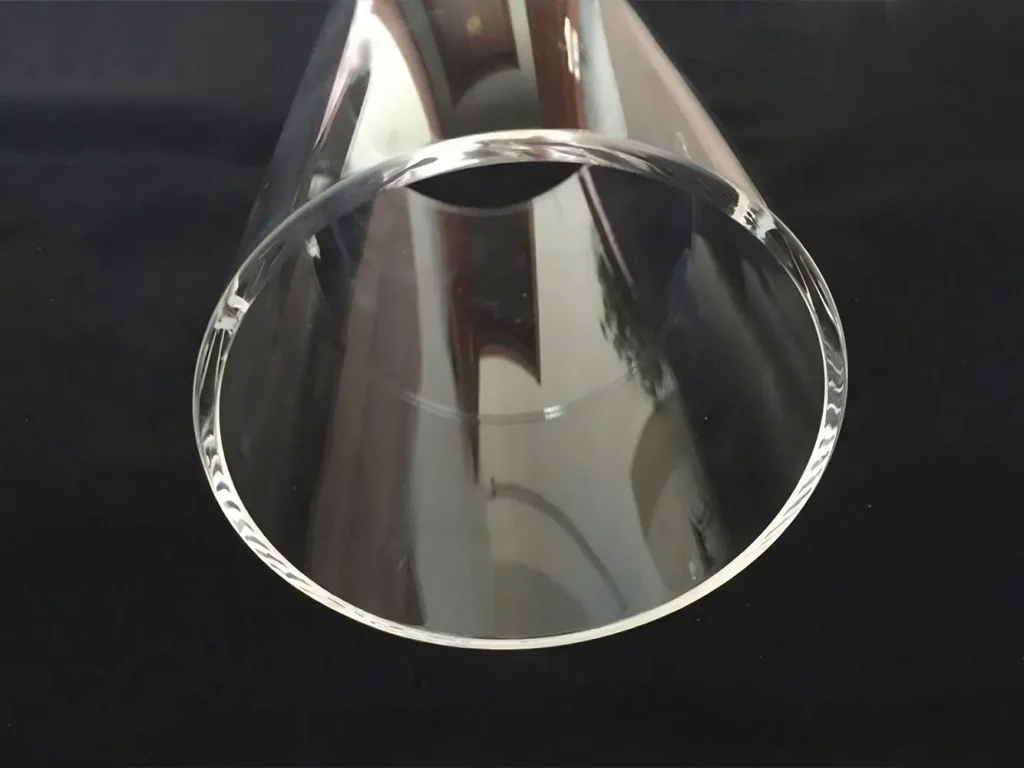
For high-temperature applications, material properties must be evaluated carefully. Heat resistant quartz plates may be considered for equipment that requires suitable thermal characteristics and specific plate dimensions. Similarly, quartz boats for diffusion furnaces may be relevant when a processing system requires a tube with a particular internal or external diameter.
In some specialized heating assemblies, high temperature quartz rings may be considered when the design calls for ring-shaped components with specific dimensions. Engineers should confirm that the selected material and geometry are appropriate for the actual operating conditions.
Custom design should not begin with dimensions alone. The intended purpose of the component must guide material selection, manufacturing tolerances, and quality requirements. A technically accurate part may still be unsuitable if it cannot tolerate the environment in which it will operate.
Improving Equipment Integration
One advantage of custom components is that they can be designed to work with existing equipment. This may help manufacturers avoid extensive modifications to an entire production system.
For example, a processing chamber may have a unique internal layout because of its heating elements, sample supports, or insulation arrangement. A custom component can be developed to fit that configuration while maintaining the required clearance and connection points.
Good integration also depends on communication between equipment designers and component manufacturers. Engineers should provide technical drawings, material specifications, tolerance requirements, and relevant operating information. When these details are incomplete, the manufacturing process may involve unnecessary revisions.
Prototype development can help resolve design questions before full production begins. A prototype allows the engineering team to check dimensions, installation procedures, and basic performance. Any required adjustments can then be made before manufacturing a larger quantity.
Balancing Customization, Cost, and Lead Time
Custom manufacturing can provide useful design flexibility, but it also requires careful financial planning. The cost of a specialized component may be higher than the price of a standard alternative because it can involve additional engineering, machining, inspection, and production setup.
Businesses should compare the total value of customization rather than considering purchase price alone. A component that fits correctly and performs reliably may reduce installation time, maintenance problems, and unexpected equipment interruptions.
Lead time is another important factor. Custom parts may require technical review and production planning before manufacturing can begin. Companies that wait until a component fails may face avoidable delays, particularly when the part is difficult to reproduce.
Planning ahead can make the process more efficient. Manufacturers should identify critical components, maintain accurate drawings, and discuss expected replacement needs with suppliers. Where appropriate, keeping essential spare parts can also reduce downtime.
Establishing a Better Supplier Relationship
Custom component projects often require close cooperation between the buyer and manufacturer. A supplier needs enough technical information to understand the application, while the buyer should have a clear process for reviewing designs and approving specifications.
Quality documentation is important throughout this relationship. Businesses should confirm material specifications, dimensional tolerances, inspection procedures, and any relevant operating limitations. For critical applications, sample approval or prototype testing may be appropriate before final production.
Communication should continue after delivery. If a component does not fit as expected or performs differently under actual operating conditions, the manufacturer should receive clear feedback. This information can help identify whether the issue involves design assumptions, installation methods, or operating conditions.
Custom components are most valuable when they solve a clearly defined engineering problem. By combining accurate requirements, suitable materials, careful testing, and reliable supplier communication, businesses can improve equipment integration and support more efficient industrial operations.



More Stories
How Smartphone Prices Have Changed in Bangladesh
Loka.co.id and the Future of Lightweight Digital Content Platforms
Why a Smart Age Calculator is an Essential Everyday Tool