
Reliable wastewater management is an essential part of maintaining a safe and functional property. For homes and buildings outside municipal sewer networks, a properly planned septic solution can provide dependable wastewater treatment for many years. However, successful installation depends on more than simply placing a tank underground. Careful site preparation, accurate excavation, proper installation, and ongoing maintenance all play important roles.
Why Site Preparation Matters
Every property has its own soil conditions, slope, drainage patterns, and available space. Before any excavation begins, these factors should be evaluated carefully. A professional assessment can help determine where the system should be located and how different components should be positioned.
Proper planning can reduce installation complications and help prevent drainage problems later. It can also make sure the project works with the natural characteristics of the property instead of creating unnecessary challenges.
The Role of Excavation in Wastewater Projects
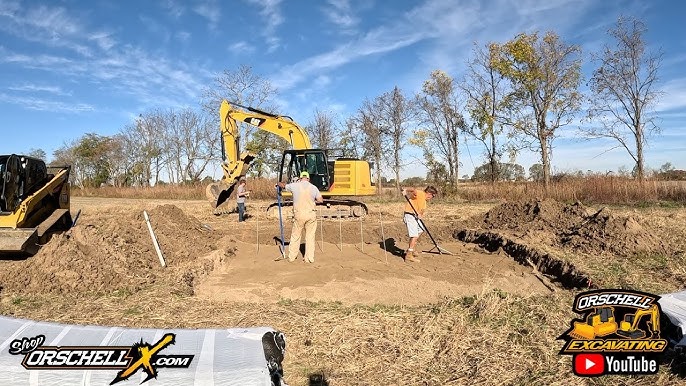
Excavation is a major part of installing or replacing underground wastewater components. Contractors may need to dig areas for tanks, pipes, drainage fields, and connecting lines.
Precision is especially important during this stage. Incorrect trench depth or grading can interfere with proper wastewater flow. Experienced excavation professionals use suitable equipment and techniques to prepare the site while considering underground utilities, structures, landscaping, and property boundaries.
Good excavation work also makes the following installation stages smoother and more efficient.
Understanding Soil and Drainage Conditions
Soil plays a significant role in how wastewater is managed underground. Some soils drain efficiently, while others may retain too much moisture or have limited absorption capacity.
Before construction begins, evaluating soil and drainage conditions can reveal potential challenges. The property’s natural slope should also be considered because surface water needs to be managed carefully around wastewater components.
Addressing these factors during planning can help reduce the possibility of standing water, drainage issues, or premature system problems. If you are looking for septic system installation Roanoke check out Trent’s Septic & Outdoors.
Quality Installation Makes a Difference
A properly prepared site still requires careful installation. Tanks, pipes, connections, and other components should be positioned and installed according to the project’s design and applicable requirements.
Professional installation can help ensure that wastewater moves through the system as intended. It can also reduce the likelihood of leaks, damaged components, poor drainage, and other costly issues.
For property owners, choosing experienced professionals for both excavation and installation can make project coordination much easier.
Maintenance Should Not Be Ignored
Regular maintenance is essential for keeping a wastewater system operating effectively. Homeowners should watch for warning signs such as slow drains, unpleasant smells, unusually wet ground, or changes in toilet and plumbing performance.
Routine inspections can help identify developing problems before they require major repairs. Property owners should also avoid placing heavy structures or vehicles over areas where underground components are located unless the system has been specifically designed to support that load.
When Excavation Services Are Necessary
Professional excavation may be required for several types of projects. These can include installing a new system, replacing an older one, repairing underground pipes, improving drainage, or preparing land for construction.
Excavation becomes particularly important when existing structures or utility lines are nearby. Proper equipment and experienced operators can help minimize unnecessary damage to the surrounding property.
Planning for Long-Term Reliability
A successful wastewater project should be viewed as a long-term investment. Property owners can benefit from discussing the expected project scope, maintenance requirements, access needs, and potential site challenges before work begins.
Coordinating excavation with installation and restoration can create a more organized process. It can also help reduce delays and unnecessary expenses.
Final Thoughts
Effective wastewater management starts with good planning and professional workmanship. From evaluating soil conditions to completing precise excavation and installing underground components correctly, every stage contributes to long-term reliability.
Whether you are building a new home, upgrading an existing property, or dealing with an aging wastewater setup, professional septic and excavation services can provide the expertise needed to complete the project properly. With careful preparation and regular maintenance, property owners can enjoy a dependable solution while protecting their land and investment.




More Stories
Top Home Services That Improve Comfort Safety and Property Value
Protect Your Home and Boost Its Curb Appeal with Royal Tide Property Wash
Looking for Greensboro Moving Companies? Contact City Transfer And Storage!