
In today’s fast-paced digital era, store Shop online shopping has become a central part of everyday life. What once required long trips to crowded markets can now be accomplished with a few clicks or taps on a smartphone. The evolution of online stores has revolutionized the retail landscape, offering convenience, variety, and accessibility that traditional shopping methods often struggle to match.
Online shopping stores are digital platforms where consumers can browse, compare, and purchase products or services over the internet. These stores range from large global marketplaces to small independent businesses that cater to niche audiences. Regardless of their size, they all share one common goal: to provide customers with a seamless and enjoyable shopping experience from the comfort of their homes.
One of the biggest advantages of store online shopping is convenience. Unlike physical stores with fixed hours, online shops are open 24/7. This means customers can shop at any time—early morning, late at night, or even during a lunch break. There’s no need to worry about travel time, traffic, or long checkout lines. Everything is designed to save time and effort, making shopping more efficient than ever before.
Another major benefit is the vast selection of products available. Online stores are not limited by physical shelf space, allowing them to offer a wider variety of items than traditional retailers. From clothing and electronics to groceries and handmade crafts, shoppers can find almost anything online. Additionally, customers can easily compare prices, read reviews, and explore different brands before making a purchase, ensuring they get the best value for their money.
Price competitiveness is another factor driving the popularity of online shopping stores. Many online retailers offer discounts, seasonal sales, and exclusive deals that are often unavailable in physical stores. Without the overhead costs of maintaining a physical location, some businesses can afford to sell products at lower prices. This creates a win-win situation for both sellers and buyers.
User experience also plays a crucial role in the success of online stores. Modern platforms are designed to be intuitive and user-friendly, with features like search filters, personalized recommendations, and secure payment gateways. Advanced algorithms analyze customer behavior to suggest products that match individual preferences, making the shopping experience more personalized and engaging.
Despite its many advantages, store online shopping does come with a few challenges. One of the main concerns is the inability to physically inspect products before purchasing. Customers rely on images, descriptions, and reviews, which may not always accurately represent the product. This can sometimes lead to dissatisfaction and returns. However, many online stores have addressed this issue by offering flexible return policies and detailed product information.
Security is another important consideration. With the rise of digital transactions, protecting personal and financial information has become a top priority. Reputable online stores invest heavily in cybersecurity measures such as encryption and secure payment systems to ensure customer data remains safe. Consumers are also becoming more aware of safe online shopping practices, which helps reduce risks.
Delivery and logistics are also key components of the online shopping experience. Fast and reliable shipping services have become a competitive advantage for many online stores. Some even offer same-day or next-day delivery options, significantly reducing waiting times. However, delays and shipping costs can still be a concern, especially in remote areas. Continuous improvements in logistics and infrastructure are helping to address these challenges.
The growth of mobile technology has further accelerated the popularity of store online shopping. With smartphones becoming more accessible, people can shop anytime and anywhere. Mobile apps and optimized websites provide a smooth browsing experience, making it easier for users to explore products and complete transactions on the go.
Social media has also played a significant role in shaping online shopping trends. Platforms like Facebook, Instagram, and TikTok have become powerful marketing tools for online stores. Businesses use these channels to showcase products, engage with customers, and build brand loyalty. Influencer marketing, in particular, has proven to be highly effective in driving sales and increasing brand awareness.
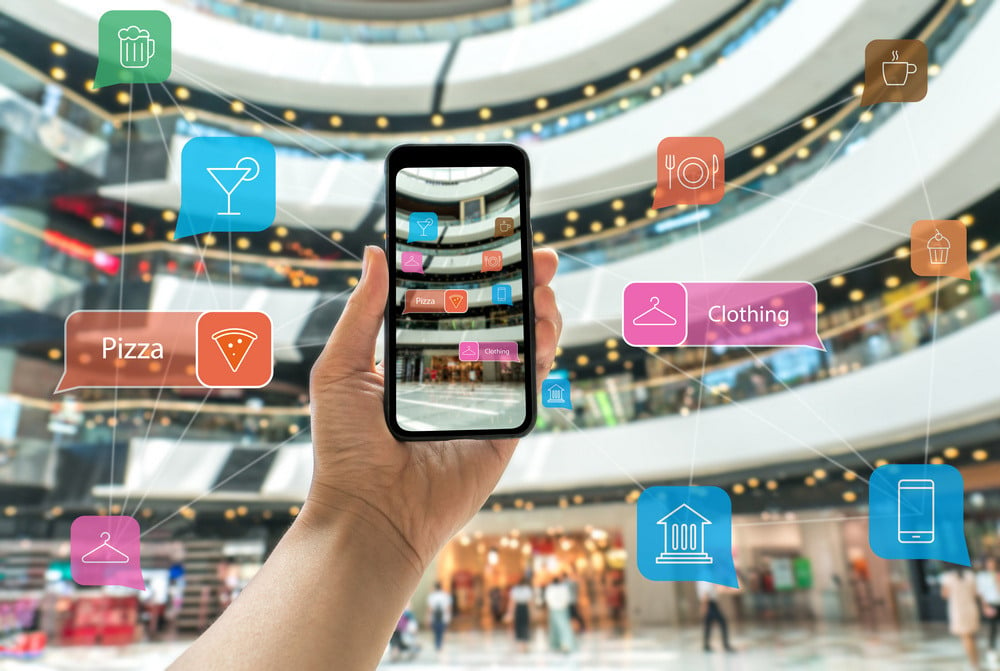
Looking ahead, the future of store online shopping appears even more promising. Emerging technologies such as artificial intelligence, augmented reality, and virtual reality are set to redefine the shopping experience. For example, customers may soon be able to “try on” clothes virtually or see how furniture looks in their homes before making a purchase. These innovations will further bridge the gap between online and offline shopping.
In conclusion, store online shopping has transformed the retail industry by offering unmatched convenience, variety, and accessibility. While there are challenges to address, continuous advancements in technology and customer-focused strategies are paving the way for a more efficient and enjoyable shopping experience. As digital innovation continues to evolve, online stores will undoubtedly remain a dominant force in the global marketplace, shaping the future of how we shop.



More Stories